Challenger: awfully recognizable for testers

This is a commentary for the book Challenger - A True Story of Heroism and Disaster on the Edge of Space by Adam Higginbotham. Not linking to a shop here, if you are interested in this book after the post I trust you know how to find it.
I will sprinkle lessons for testers throughout the commentary, as this is how I read non-fiction books that have ostensibly nothing to do with testing: what can I learn from this, as a tester? Let's go!
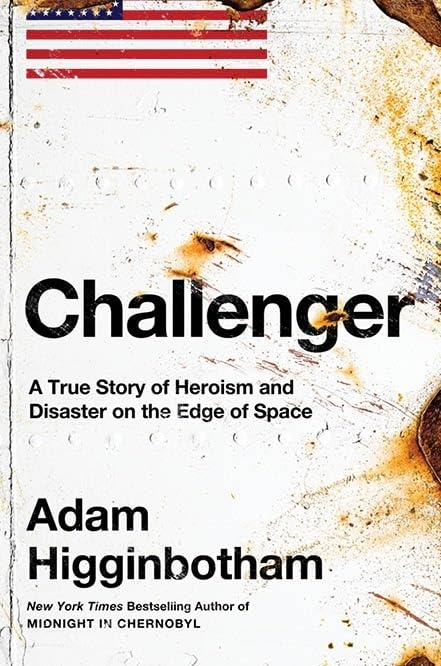
On January 28, 1986 the Space Shuttle Challenger broke apart 73 seconds after launch from Cape Canaveral in Florida. This book is an insanely detailed account of how this disaster happened. It is in fact so detailed, that the book starts describing events more than 10 years before the actual disaster. This is partly done as a literary device to get you invested in the lives of all the relevant people, but also because the power structures at NASA took a long time to build up to the state they were in at the time of the disaster.
Lesson 1 for testers: are you even aware of all the power structures in your current context that might influence the quality of the software you are testing? Can you influence them?
Since the cause of the disaster is public knowledge I will "spoil" the book (it is still worth reading for all the details, trust me): the cause of the disaster was the dysfunctional leadership at NASA and its contractor Morton Thiokol. On Wikipedia you will read that the cause is the "O-ring seal failure due to cold weather", but this is not the true cause.
A few engineers at Morton Thiokol warned their leadership about the fact that the O-rings don't function correctly during cold temperatures, the risk was known. The disaster only happened because leadership refused to listen to their engineers.
Lesson 2 for testers: have you experienced being aware of a risk and it being swept aside by management or leadership? Or it being diminished? What did you do to convince the right people to listen to you?
This part of the book was so painful to read: Two engineers at Morton Thiokol in particular (Allan McDonald and Roger Boisjoly) cared a lot. They worked themselves to the bone to get the O-ring problem solved in time and to let management know that the launch should not proceed. They failed in their efforts and it cost them a lot (mental anguish, guilt, being ostracized by their colleagues).
Even though the stakes at projects I worked in were never this high, I still recognized myself in their struggle. I think many testers will.
This is why I keep repeating myself ad nauseam to testers about this:
Lesson 3 for testers: Do NOT put yourself in the position of leadership, do NOT sign off on a release. Only give advice, let the people who are truly responsible make the decision.
All the terrible dysfunction came to a head to cause the disaster: the intricate politics, stakes, money (Morton Thiokol was extremely dependent on the contract with NASA, so advising against the launch was not in their interest) and existing hierarchical structures.
When you read the book, where as a reader you have the power of hindsight, you keep asking yourself "wtf, why did they go ahead?!". It's truly bewildering.
But then you put yourself in the shoes of leadership, you see the stakes, and you can sort of understand that urge to flip the risk on its head. When it comes to launching rockets with humans strapped to them (which is basically what this was!) the question should be "why should we?", but in this instance it turned into "why shouldn't we?".
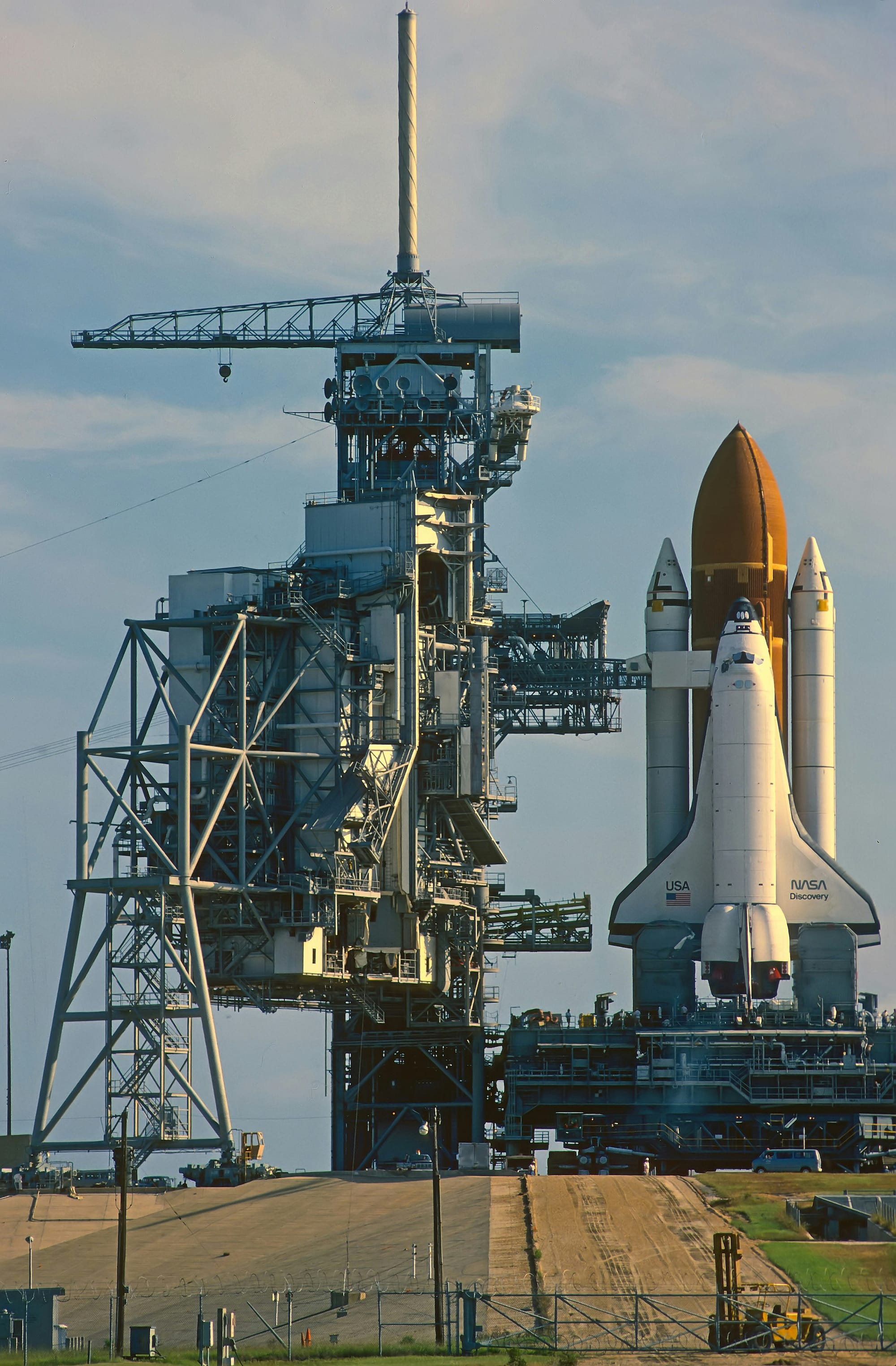
What made leadership lose sight of the risks? It was rocket science, for crying out loud! As a reader, you can't fully understand, because you can not understand the tunnel vision they operated in at the time. To understand this crucial concept of tunnel vision better, I recommend the book The Field Guide to Human Error by Sidney Dekker.
Lesson 4 for testers: develop a strong ethical compass, so that you can say the difficult things to your leadership/management, if it is required. Be prepared to face the consequences.
The heroes of the book for me are not the astronauts, crazy as that may sound. They were victims, actually. Nobody told them about the risks of the O-rings not working well in low temperatures! They didn't even have a voice in this decision making.
My heroes are, non-surprisingly, those engineers that dared to speak up. All the evidence in the world couldn't have swayed their management, but they tried. They were courageous, and it cost them.
Lesson 5 for testers: be aware that facts and evidence may not be enough to convince your management/leadership of some risks. What will you do in such an instance?
Conclusion
This book was a great read and I recommend it for people who love reading about details. You will get your fill because this book is insanely detailed. I feel a huge respect for the author, I can't imagine how much time this must have taken him. The way he wrote it down makes you feel like you were there, with the relevant people in that time. Remarkable!



Comments ()