Essential reading for people who are still responsible and serious in IT
I work in IT, but I am a historian. I studied “Language and Culture Studies, with a specialization in the history of international relations” to be exact, but that’s too much of a mouthful, so historian it is!
As a historian, you basically study the repeated fuck-ups of humanity and try to distil lessons from it. In effect, you see that we never learn, and our mistakes come back in cycles. It's painful.
During my time in university I had to read a lot, digest the main message and remember the details. At no point did I ever think my history degree would be useful for my work in IT, but it is!
Reading, writing, thinking, communicating, seeing the bigger picture; these are all skills that can be applied in IT. To me, IT is a people sport. We should make software to improve the world, not make it a worse place. The pure focus on technology for the sake of technology has brought us where we are today, and I’m deeply troubled by this.
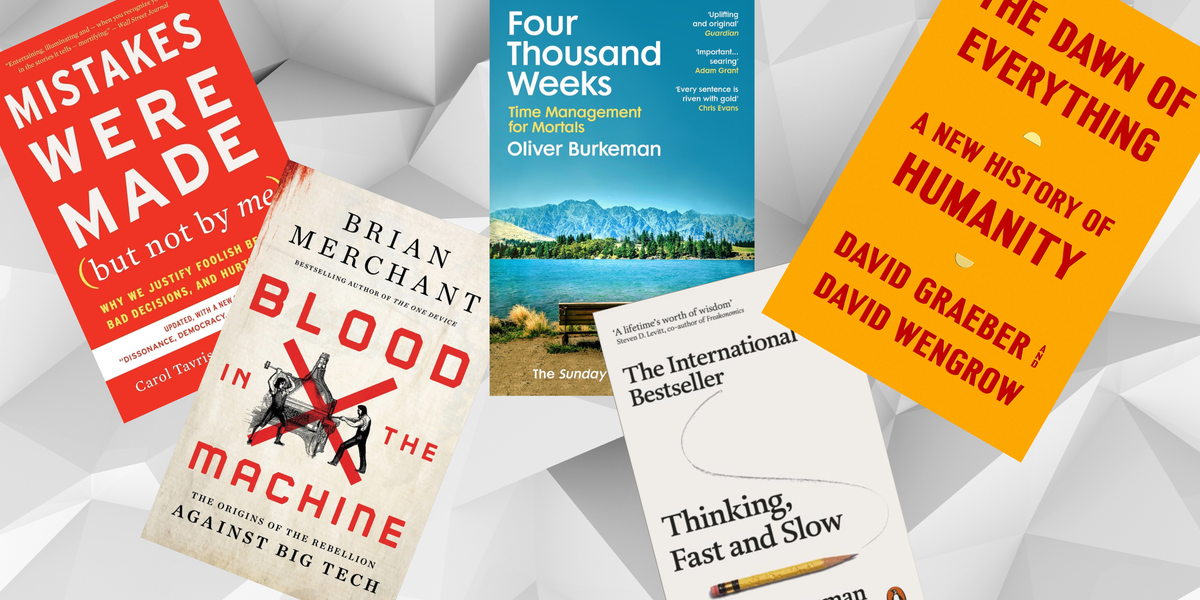
So let me make a counteroffer. This is what I consider essential reading for people who work in IT and are still serious about it. People that want to be responsible adults, making software that actually helps people and society. Craftsman, if you will.
Let’s start with an easy read.
Mistakes were made, but not by me - Carol Tavris & Elliot Aronson
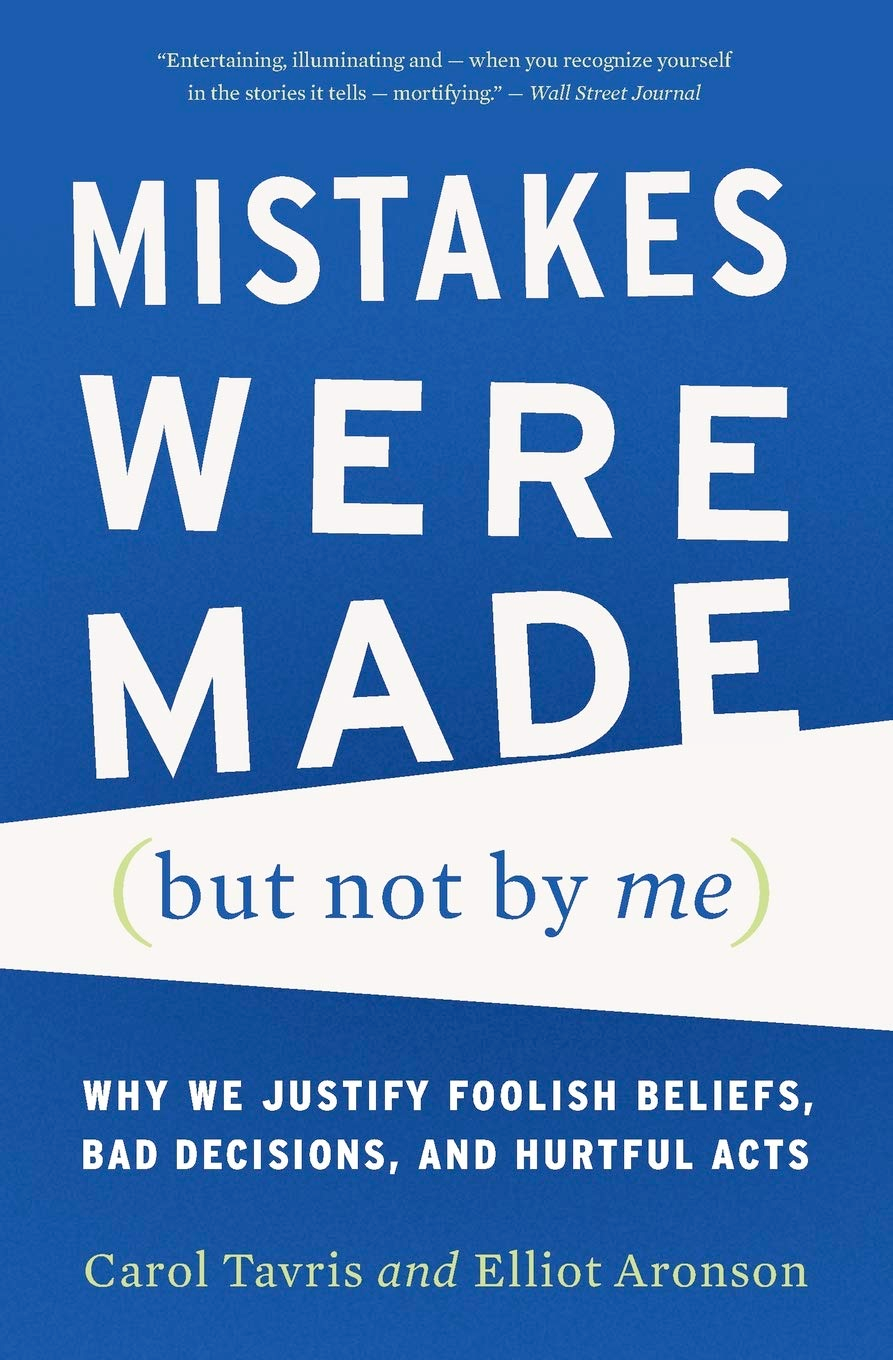
A very relevant book, that dives into the topic of how people fuck up, don’t admit they fucked up, but instead double down on their mistakes. It’s always somebody else’s fault, never your own. Cognitive dissonance is one hell of a drug, and LLM’s have made this problem worse. I have written about this on my blog in the past.
 Maaike Brinkhof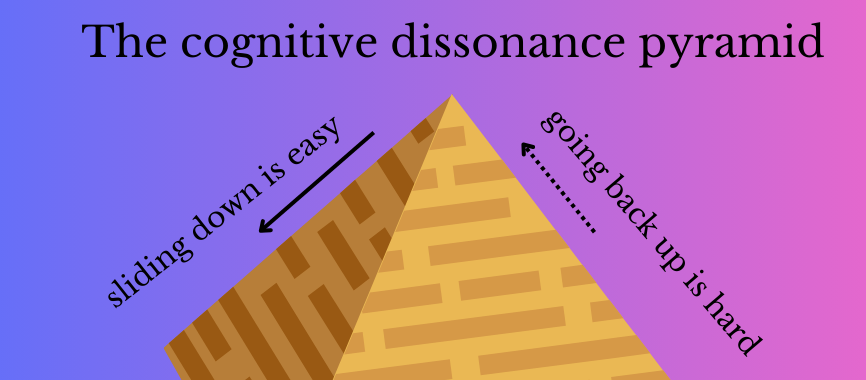
 Maaike Brinkhof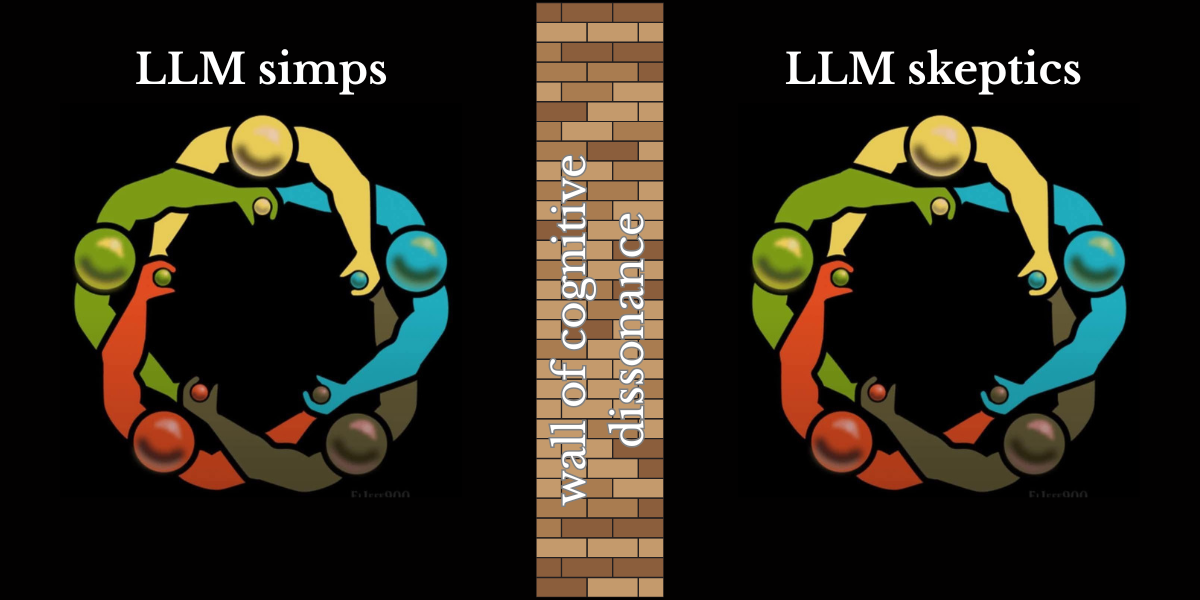
This book gives a very easy to understand framework with the cognitive dissonance pyramid. This model helps you to understand why it's near impossible to change people's minds when they have slid down the pyramid too much. The more intense your belief or conviction, the more you're likely to double down on it when people point out flaws in your position or argument.
Apply this model to the LLM era, and you'll see it's more relevant than ever. People who intensely believe that LLM's are the future will find my position to not use them ridiculous, whereas I can only see how harmful LLM's are for humanity, the planet, not to speak of the awful eugenist ideology underlying them. These positions are on opposite sides of the pyramid.
Thinking, Fast and Slow - Daniel Kahneman
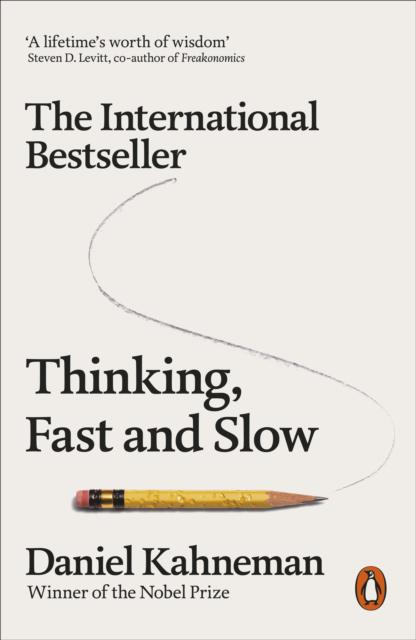
Well, this book is just a classic at this point. It's not as easy of a read as Mistakes Were Made, but well worth your time.
LLM's aren't neutral, no technology is neutral. Which biases do you expose yourself to by using an LLM? Which mental shortcuts are too alluring? What risks are there for you, for the quality of your work, for your cognitive abilities?
Read this book with an open mind: learn what System 1 and System 2 thinking is and the risks of using System 1 when you shouldn't. Which cognitive biases do you see with LLM usage?
I see: anchoring effect, availability heuristic, confirmation bias, cognitive dissonance, technology bias. I'm not going to explain what these are in this blog, read the book to find out.
The Dawn of Everything - David Graeber & David Wengrow
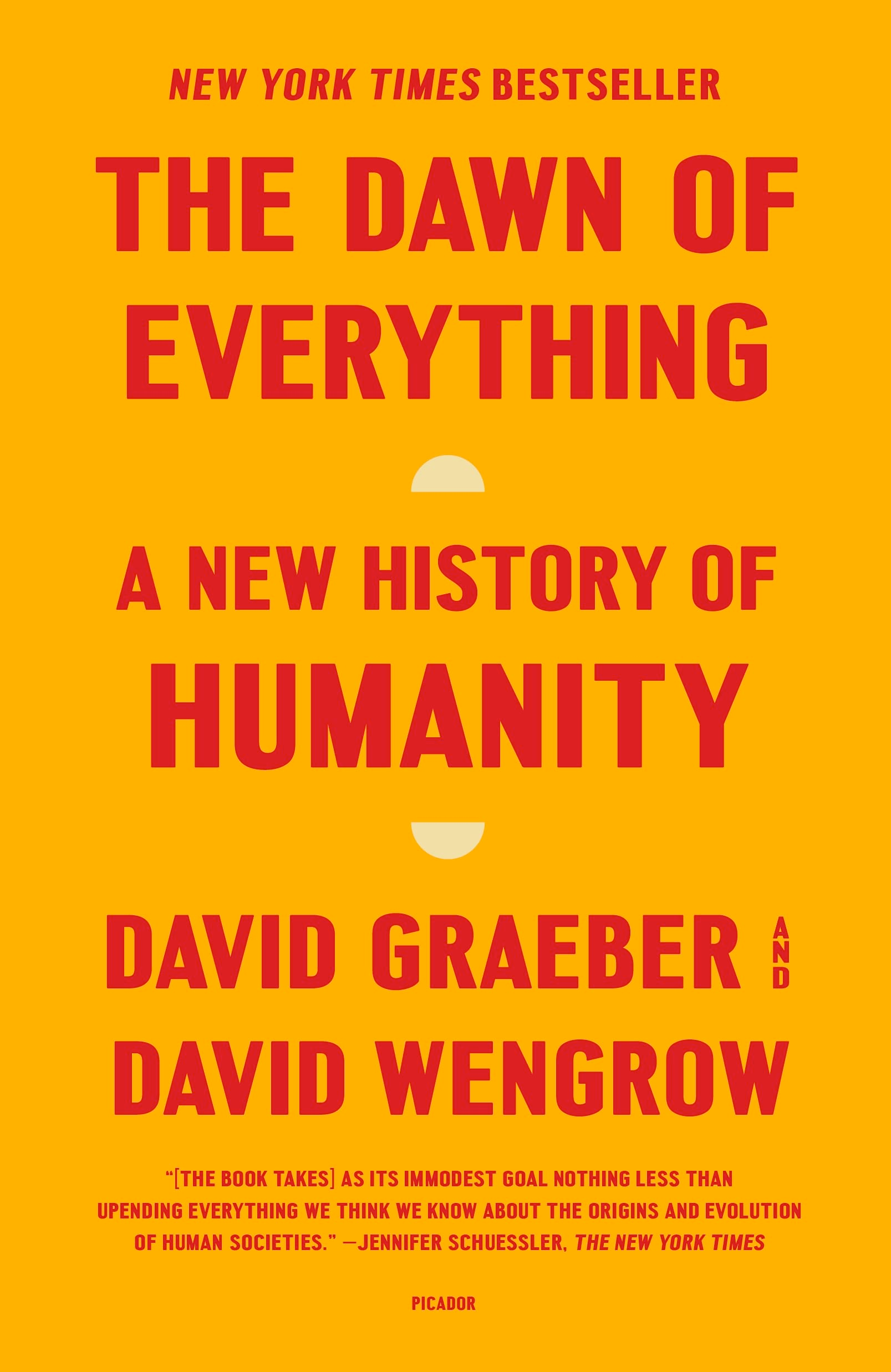
This is not an easy read, even I struggled with this book. To me, this book is about freedom and the lack of freedom we have in current society. How is this relevant for IT? Well, you'll have to do some lateral thinking to connect the two.
In the past, if you were tired of where you lived, you could just....fuck off and move somewhere else. There was no government, no nation state, no system that anchored you to computer systems and certain places. Life surely was harder, but most humans were a lot more free than we are today.
Today, if you don't exist in computer systems, you don't exist in real life. You can't opt out of the nation state and tax system any more. You can't opt out of using certain technology any more. In that sense, we are less free than just a few hundred years ago. We got plenty of upsides in return, but at its core you can't escape the current system. It's not optional.
This is to me what Big Tech wants with LLM's: they want them to be inescapable. To permeate everything from education, to our daily interaction with technology, the government, war, our jobs, our livelihoods... There's no way to give consent to any of this, and I find this incredibly fucked up.
Small sidestep: Daily, I get DM's on LinkedIn or in my e-mail about people who agree with my views on LLM's, but they don't dare to speak up about this in public. They are forced to use them at work, and they hate it. Lack of consent, y'all. It's sickening.
Anyway, this book, even though it's a tough read, will give you a new perspective on the history of humanity and what it means to be free.
If you want a lighter read by David Graeber, I also recommend the book "Bullshit Jobs". May he rest in peace.
Blood in the Machine - Brian Merchant
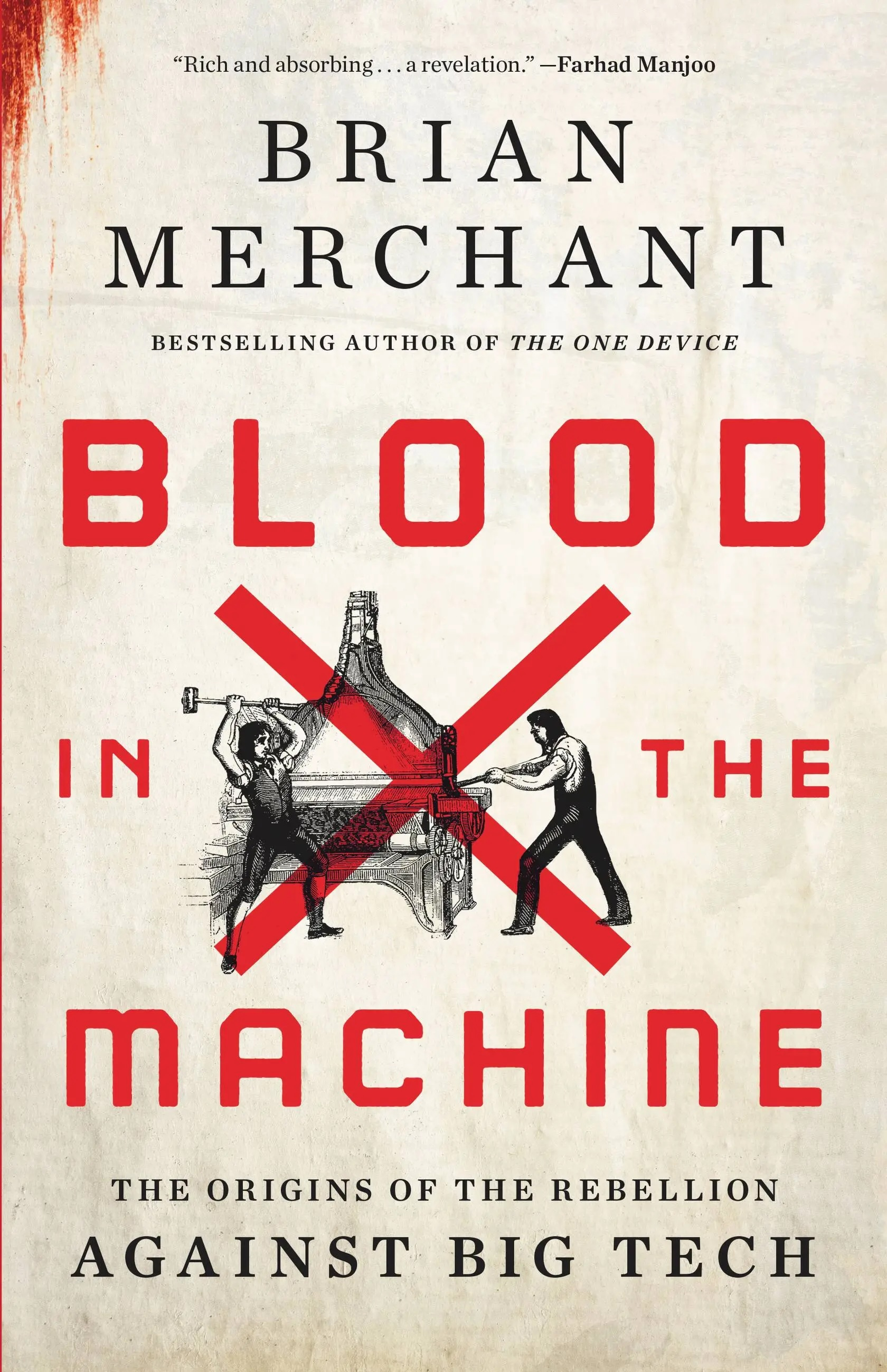
People think that Luddites are against technology, but that's not true. We are against how technology is used to deskill labour, suppress wages and the eternal cycle of capitalism that ensures just a few people hoard most of the money and resources.
History is about crafting stories with hindsight bias, it's truly a lovely discipline. One could argue that the current LLM hype is just another example of an enshittification process that has started in the Industrial Revolution. That is what Brian Merchant does in this book, and I agree with him.
This is a proper history book, with a very detailed story about the OG Luddites. Why were they against the cotton mills? Why didn't they succeed in stopping the trend? This book will make you view the current LLM hype with a fresh perspective.
Four Thousand Weeks - Oliver Burkeman
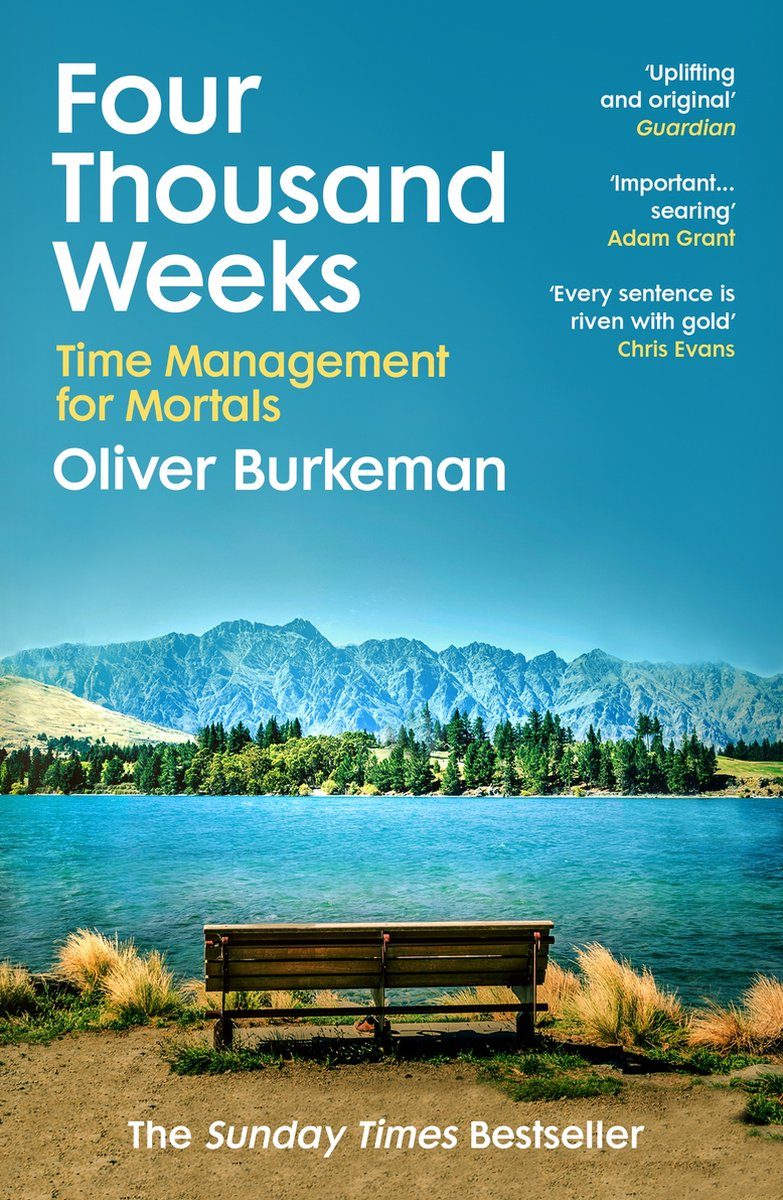
And now for something completely different. Another thing that annoys the everloving SHIT out of me is how people keep droning on about how more productive they are with LLM's.
I don't know about you, but I'm not on this world to be a productive little capitalist slave. I am here to make a meaningful difference for the people around me, to do work that matters, to write, to think, to laugh, to play my clarinet, to love the people around me (Oliver first <3).
People who take productivity (with output as the sole metric) as serious as religion need to go touch some fucking grass.
This book puts into perspective how little time you have on this earth, and why you shouldn't focus on productivity only. It's a trap. Getting more done just leads to more work on your plate. Also: are you dumb? Do you really benefit from a bigger output in a shorter timeframe? Does the world benefit? Did the work actually need to be done?
Go forth and read.
This list of books isn't complete, and doesn't aim to be. But I believe this gives a good range of perspectives that in some cases seem to have very little to do with IT, but if you apply systems thinking you'll see that everything is linked.
Technology doesn't exist in a vacuum. It has influence on us, and how the world functions. It's our job to push back on this influence, and we seem to be failing at this at the moment.
Use your brain, read, gather information, think on it. Don't let them take that away from you. I don't care if you read these books via paper, e-book or audiobook. All methods are valid and count as reading.
Go forth and read.



Comments ()